
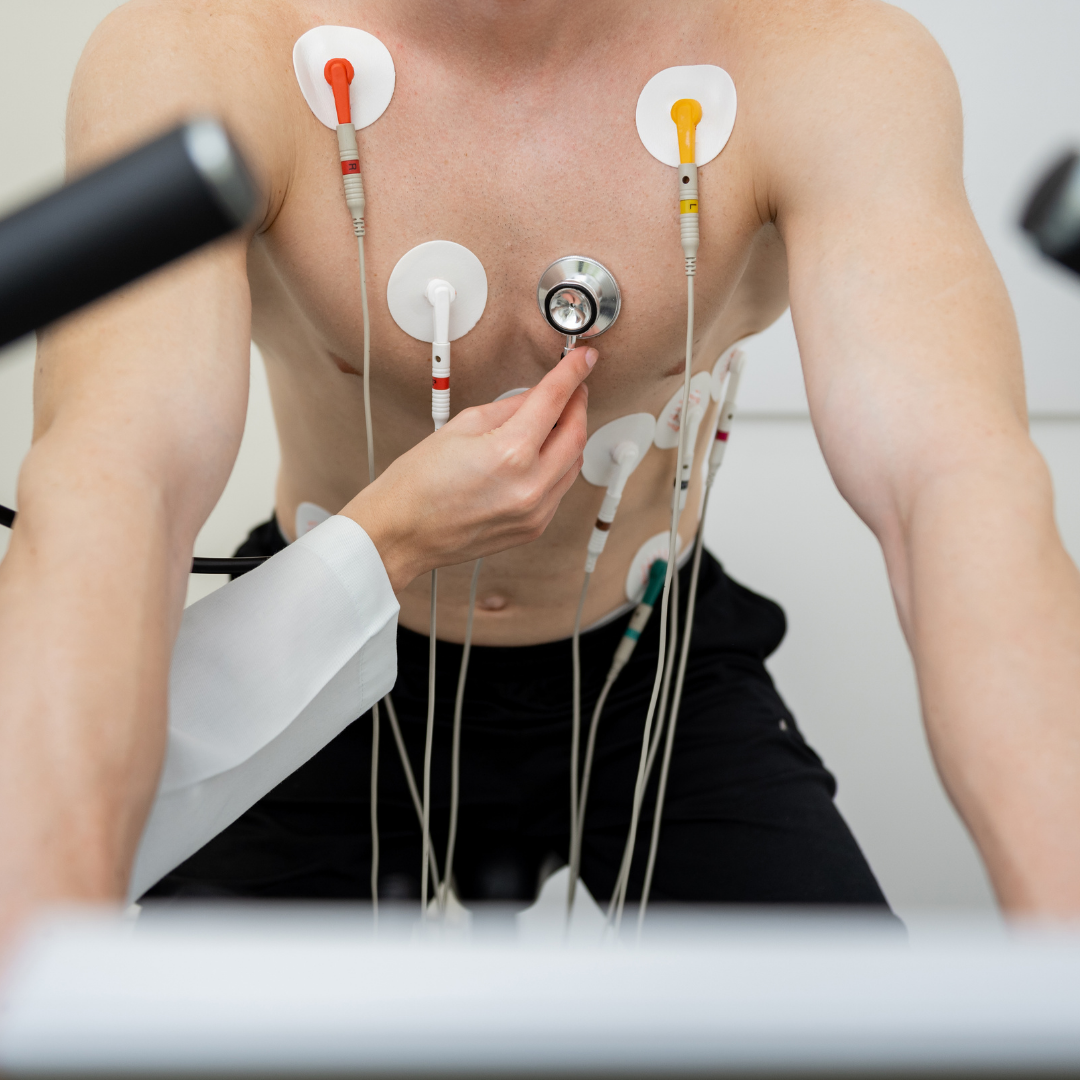
Whether you're a professional athlete, school sports player, gym enthusiast, or marathon runner, your heart works harder during intense physical activity. Dr. Pankaj Patil (MD, DM Cardiology), a cardiologist with 15+ years of experience at Rhythm Heart & Diet Clinic, Kalyan and Thane, recommends pre-participation cardiac screening to identify hidden heart conditions that could increase the risk of serious cardiac events during exercise.
A simple heart evaluation before participating in sports can help ensure that you're physically prepared and exercising safely.
What Is Pre-Participation Cardiac Screening?
Pre-participation cardiac screening is a preventive heart assessment performed before an individual begins competitive sports or vigorous physical activity. The goal is to detect undiagnosed heart diseases that may not cause noticeable symptoms but could become dangerous during intense exercise.
The screening is commonly recommended for:
- Competitive athletes
- School and college sports participants
- Fitness enthusiasts and marathon runners
- Individuals returning to sports after a long break
- People with a family history of heart disease or sudden cardiac death
Why Is It Important for Athletes?
Although sudden cardiac arrest in athletes is uncommon, it often occurs without prior warning. Many inherited or structural heart conditions remain silent until the heart is placed under significant physical stress.
Early screening helps identify conditions such as:
- Hypertrophic cardiomyopathy (HCM)
- Abnormal heart rhythms (arrhythmias)
- Congenital heart abnormalities
- Heart muscle disorders
- Electrical conduction abnormalities
Detecting these conditions early allows athletes to receive appropriate treatment, lifestyle guidance, or clearance for safe participation.
What Does the Screening Include?
A sports heart check-up is tailored to the athlete's age, sport, and medical history. It may include the following evaluations:
Medical & Family History
Questions about chest pain, fainting, palpitations, breathlessness, and family history of early heart disease.
Physical Examination
Blood pressure measurement, pulse assessment, and heart examination to identify any abnormal findings.
Electrocardiogram (ECG)
A resting ECG records the heart's electrical activity and helps detect rhythm disorders or inherited abnormalities.
2D Echocardiography (Echo)
An ultrasound scan that evaluates heart structure, valve function, and pumping capacity.
Treadmill Stress Test (If Needed)
Recommended for selected athletes to assess how the heart responds during exercise.
Who Should Definitely Get Screened?
You should schedule an athlete heart screening if you experience:
- Chest pain during exercise
- Unexplained fainting or dizziness
- Rapid or irregular heartbeat
- Shortness of breath out of proportion to activity
- A family history of sudden cardiac death before age 50
Even athletes without symptoms may benefit from screening, especially before participating in competitive sports.
Is an Athlete's Heart Always Normal?
Regular training can cause natural changes known as an athlete's heart, including a slower resting heart rate and mild enlargement of the heart chambers. These changes are often harmless, but they can sometimes resemble heart disease.
A trained sports cardiologist can distinguish normal athletic adaptations from potentially dangerous conditions using ECG and echocardiography.
How Often Should Athletes Be Screened?
The frequency depends on age and activity level:
Athlete Group
- School athletes
- College athletes
- Professional athletes
- Adults starting intense fitness
Recommended Screening
- Before competitive
- participation
- Every 1–2 years
- As advised by sports physician
- Baseline cardiac evaluation
If new symptoms develop, repeat screening should be performed regardless of the previous results.
Conclusion
Pre-participation cardiac screening is not about preventing people from playing sports—it's about helping them participate safely. A comprehensive heart evaluation can identify hidden cardic risks and support long-term athletic performance.
At Rhythm Heart & Diet Clinic in Kalyan and Thane, Dr. Pankaj Patil offers specialized sports cardiology assessments, ECG, 2D Echocardiography, and personalized fitness heart evaluations for athletes of all ages.
Frequently Asked Questions
1. What is pre-participation cardiac screening?
It is a preventive heart check-up performed before participating in sports or intense physical activity.
2. Do healthy athletes need heart screening?
Yes. Some serious heart conditions may exist without symptoms and are only detected during screening.
3. Is ECG enough for athlete screening?
ECG is important, but some athletes may also require a 2D Echo or stress test based on their risk profile.
4. At what age should athletes get screened?
School, college, and competitive athletes should ideally undergo screening before participating in any sports activity.
5. Where can I get an athlete heart screening in Kalyan or Thane?
You can consult Dr. Pankaj Patil (MD, DM Cardiology) at Rhythm Heart & Diet Clinic for comprehensive sports cardiac evaluation.
Want a diet plan tailored to your heart health?
Get a personalised cardiac diet consultation with Dr Vidya Patil at Rhythm Heart & Diet Clinic, Kalyan or Thane.
Book an AppointmentDisclaimer: This article is for general awareness. Please consult a heart specialist, physician, or dietitian near you for personalised medical advice.