Cardiac Surgery Consultation and
Heart Care in Thane & Kalyan
Expert Heart Consultation for Prevention, Diagnosis & Complete Cardiac Care
At Rhythm Heart & Diet Clinic, advanced cardiac care is provided under the expert guidance of Dr. Pankaj Patil, a DM Cardiologist specialising in interventional cardiology and minimally invasive heart procedures. With extensive experience in complex cardiac interventions, Dr. Patil offers comprehensive consultation, diagnosis, and treatment for conditions including coronary artery blockages, heart rhythm disorders, congenital heart defects, and valve diseases.
The clinic provides advanced procedures such as coronary angiography, angioplasty, pacemaker implantation, pediatric device closure, and balloon mitral valvuloplasty with a focus on accurate diagnosis, timely treatment, and patient-centred care.
Angiography in Thane & Kalyan
Coronary angiography is an advanced diagnostic procedure used to identify blockages or narrowing in the heart arteries. Dr. Pankaj Patil routinely performs coronary angiography and has conducted thousands of successful procedures during his years of practice.
Using advanced radial angiography techniques, the procedure is performed through the wrist artery, offering better comfort, faster recovery, and reduced complications compared to traditional groin-based angiography.
- Balloon angioplasty
- Coronary stent placement
- Bypass surgery
What is Angiography?
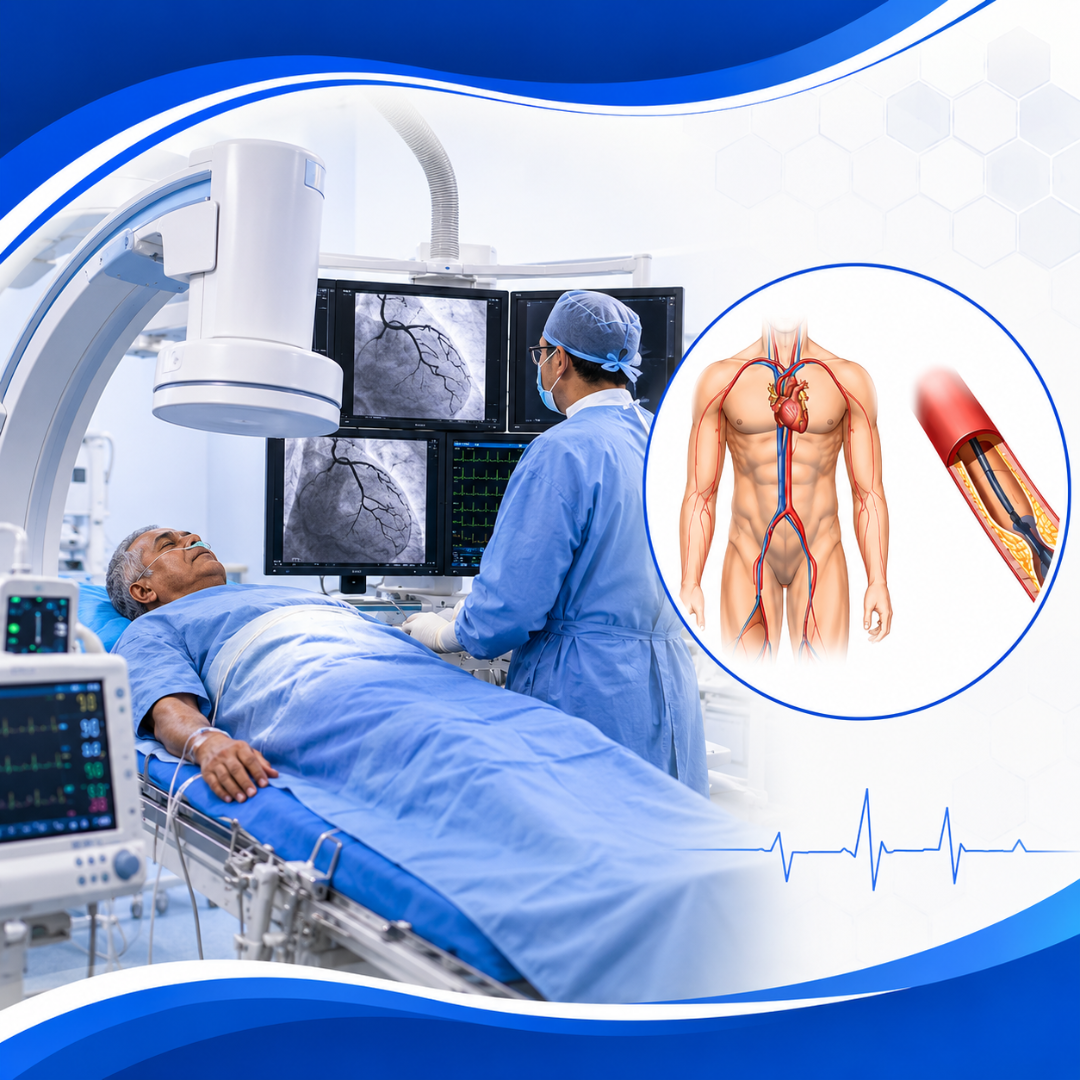
Angiography is considered the gold standard test for detecting blockages in the coronary arteries. During the procedure, a thin tube called a catheter is inserted into the artery, and a contrast dye is injected into the heart vessels. X-ray imaging allows the cardiologist to view blood flow and identify the exact location and severity of blockages.
Angiography helps doctors determine the most suitable treatment option, such as:
- Severe chest pain
- Heart attack symptoms
- Unexplained breathlessness
- Suspected coronary artery disease
- Abnormal cardiac test results
It is commonly recommended for patients with:
Most patients can return home on the same day after a successful angiography, depending on their condition and doctor’s advice.
How is Coronary Angiography Performed?
- The procedure is performed under local anaesthesia.
- A small catheter is inserted through the wrist artery (radial approach).
- The catheter is guided towards the heart arteries.
- Contrast dye is injected, and X-ray images are captured.
- If significant blockages are detected, further treatment like angioplasty may be planned.
Benefits of Radial Angiography
Radial angiography offers several advantages:
- Faster recovery
- Less bleeding risk
- Greater patient comfort
- Earlier mobility after the procedure
- Shorter hospital stay
Angioplasty in Thane & Kalyan
Coronary angioplasty is a life-saving procedure used to open blocked heart arteries and restore normal blood flow to the heart muscle.
Dr. Pankaj Patil specialises in radial coronary angioplasty, a minimally invasive technique used to treat blocked coronary arteries.
What is Angioplasty?
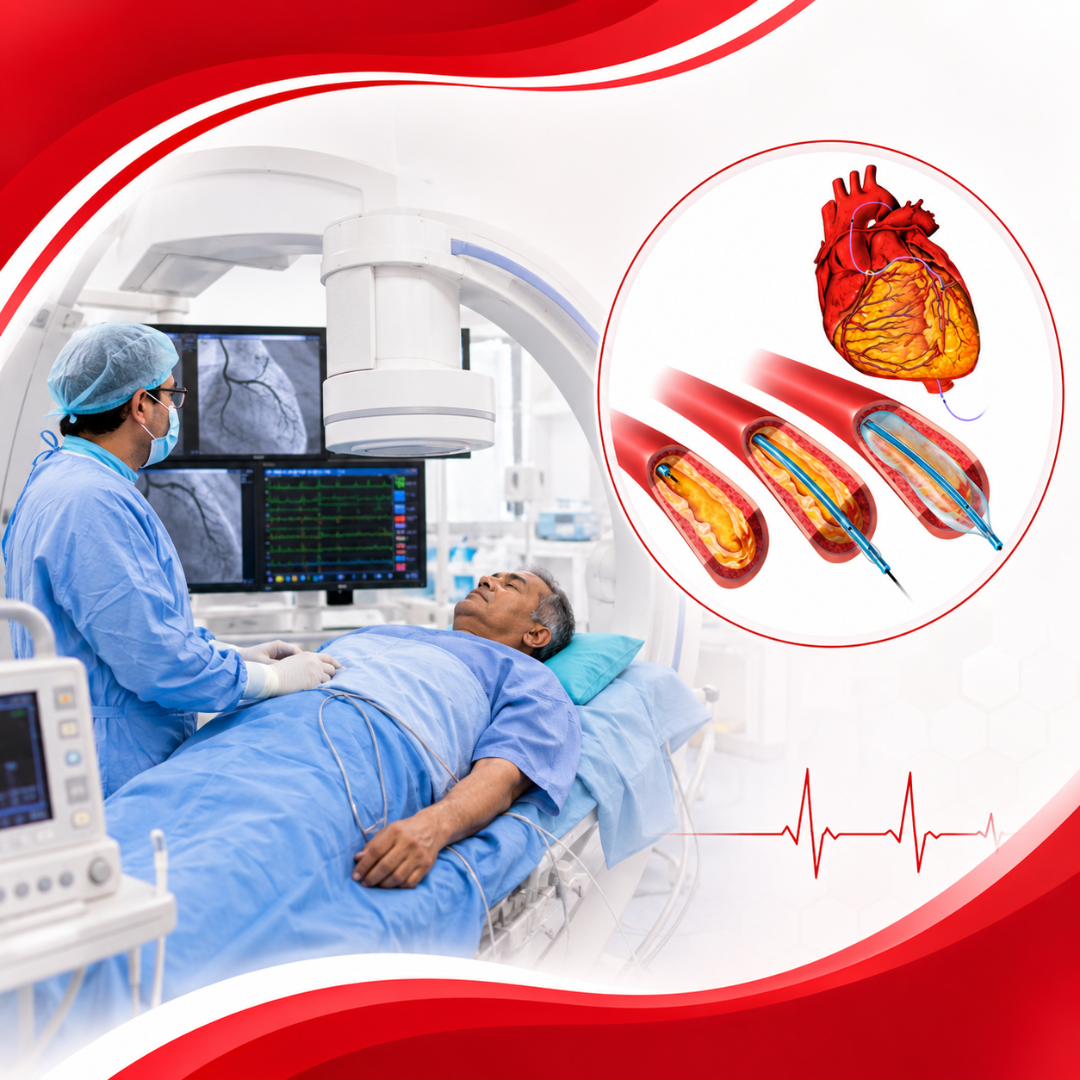
Angioplasty, also known as balloon angioplasty, involves inserting a thin catheter with a small balloon at its tip into the blocked artery. The balloon is inflated to widen the artery and improve blood circulation. A stent is usually placed to keep the artery open and maintain long-term blood flow.
- Restores blood flow to the heart quickly
- Helps reduce chest pain and breathlessness
- Can be life-saving during a heart attack
- Minimally invasive procedure
- Faster recovery compared to open-heart surgery
Advantages of Angioplasty
After angioplasty, patients are advised to follow a heart-healthy lifestyle, take prescribed medicines regularly, exercise appropriately, and control cholesterol, blood pressure, and diabetes.
Pacemaker Implantation in Thane & Kalyan
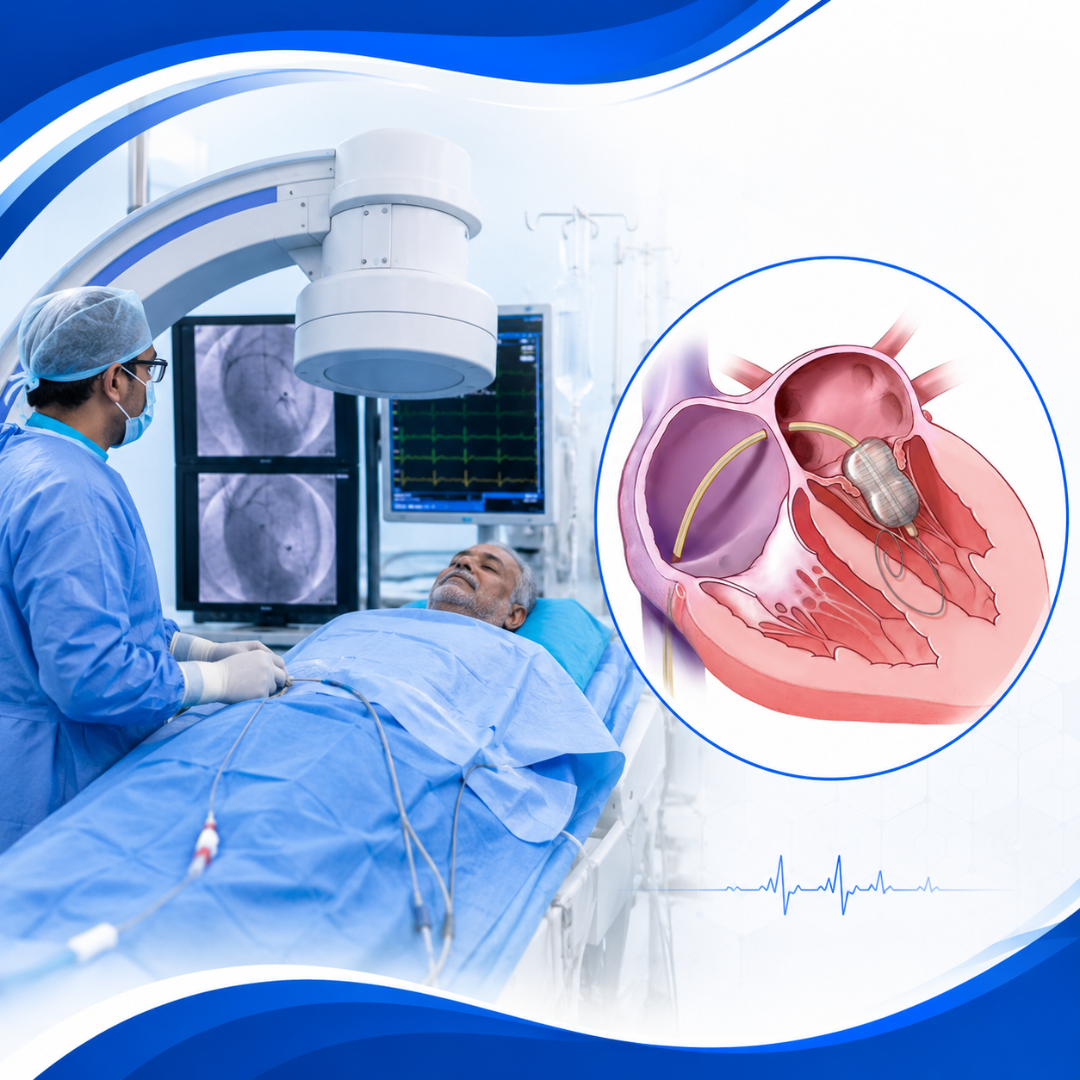
A pacemaker is a small electronic device that helps regulate abnormal heart rhythms. It is recommended for patients whose heart beats too slowly or irregularly.
- Single chamber pacemaker
- Dual chamber pacemaker
- AICD (Automatic Implantable Cardioverter Defibrillator)
- CRT-D (Cardiac Resynchronization Therapy Defibrillator)
Dr. Pankaj Patil provides permanent pacemaker implantation for various heart rhythm disorders, including:
When is a Pacemaker Required?
A pacemaker may be recommended when slow heart rhythm causes symptoms such as:
- Fatigue
- Dizziness
- Fainting episodes
- Breathlessness
- Reduced exercise capacity
The device continuously monitors heart rhythm and sends electrical signals to maintain a normal heartbeat.
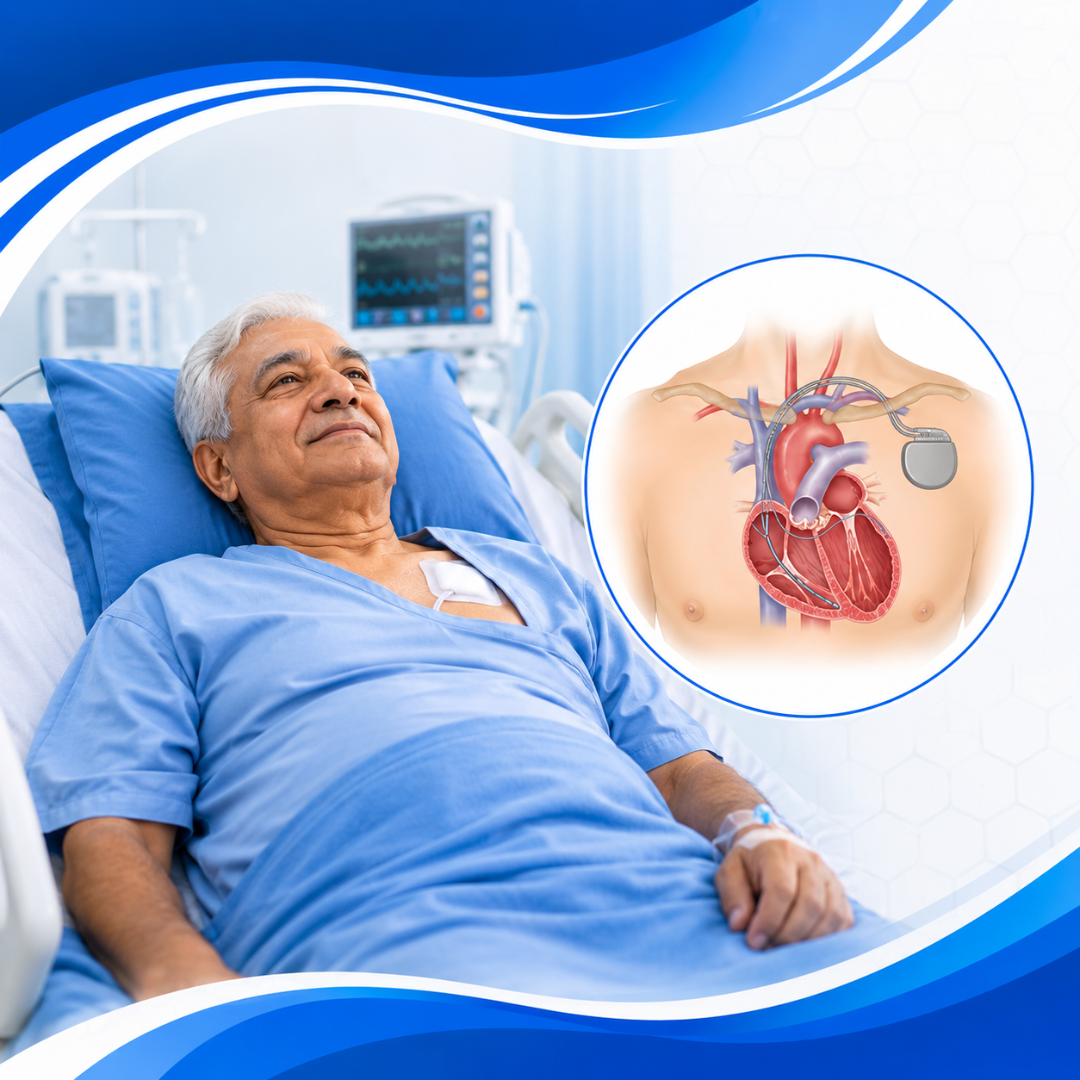
Recovery After Pacemaker Implantation
- The procedure usually takes 1–2 hours.
- Patients are discharged after stabilisation.
- Regular follow-ups help adjust pacemaker settings.
- Avoid heavy lifting and strenuous activities initially.
- Follow prescribed medications and precautions.
Pediatric Device Closure in Thane & Kalyan
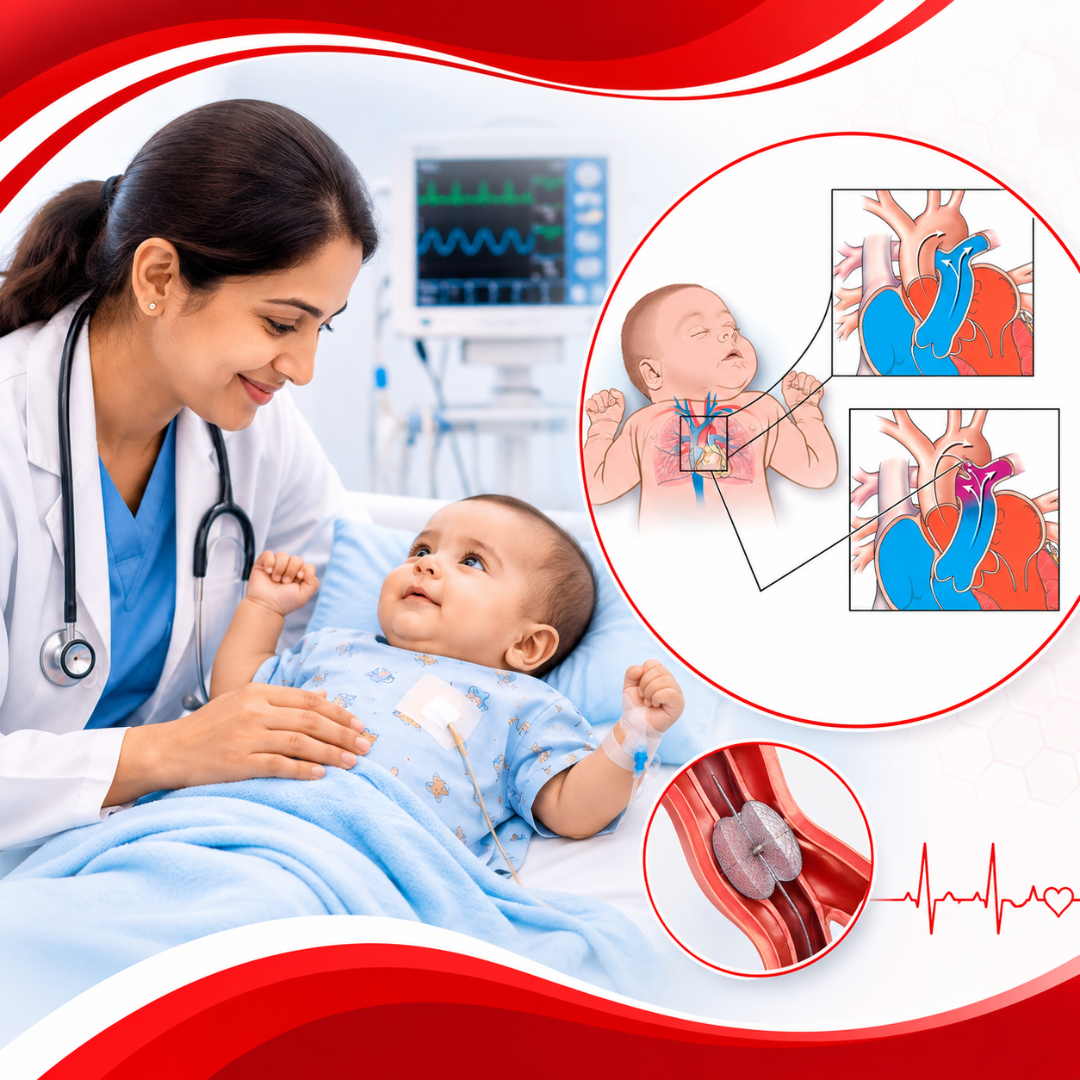
Pediatric device closure is a minimally invasive procedure used to treat certain congenital heart defects in children, such as holes in the heart.
Instead of open-heart surgery, a specialised device is inserted through a catheter to close the defect.
Atrial Septal Defect (ASD)
An Atrial Septal Defect (ASD) is a congenital heart condition where there is an opening in the wall separating the upper chambers of the heart.
This opening can cause oxygen-rich blood to mix with oxygen-poor blood and may increase workload on the heart and lungs.
Causes of ASD
ASD develops when the heart structure does not completely form during pregnancy. Factors may include:
- Genetic conditions
- Chromosomal abnormalities
- Environmental factors during pregnancy
Early diagnosis and treatment can help prevent future complications.
Balloon Mitral Valvuloplasty in Thane & Kalyan
Balloon Mitral Valvuloplasty is a minimally invasive procedure used to treat a narrowed mitral valve (mitral stenosis).
Heart valves control blood flow through the heart. When the mitral valve becomes narrow or stiff, it restricts blood flow and can cause symptoms.
When is Valvuloplasty Recommended?
A cardiologist may recommend balloon mitral valvuloplasty for patients with:
- Narrowed mitral valve
- Valve stenosis causing symptoms
- Breathlessness due to valve disease
- Chest discomfort
- Reduced blood flow through the heart valve
The procedure helps improve blood flow and reduce symptoms without requiring open-heart surgery.