Cardiac Diagnostics and
Heart Tests in Thane & Kalyan
Expert Heart Consultation for Prevention, Diagnosis & Complete Cardiac Care
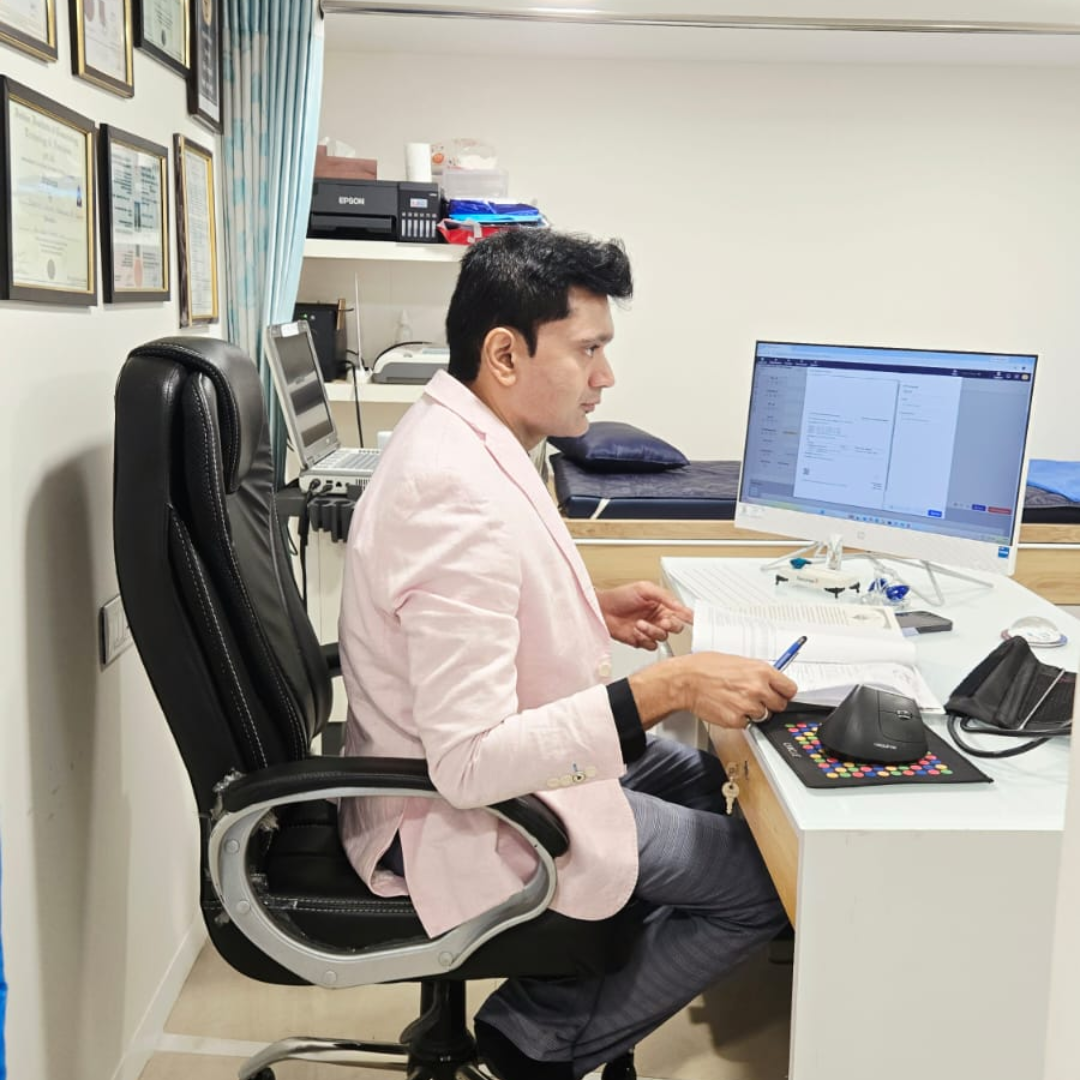
At Rhythm Heart & Diet Clinic, Thane, we provide advanced cardiac diagnostic services to accurately evaluate heart health and detect cardiac conditions at an early stage. Under the guidance of Dr. Pankaj Patil, Senior Cardiologist, our clinic offers comprehensive heart tests including 2D Echocardiography, Treadmill Test (TMT), Holter Monitoring, Ambulatory Blood Pressure Monitoring, and Pediatric 2D Echo.
These non-invasive diagnostic tests help assess heart function, detect abnormalities, monitor heart rhythm, and guide effective treatment planning.
2D Echocardiography (2D Echo) in Thane & Kalyan
2D Echocardiography, commonly known as str2D Echo, is an advanced ultrasound-based heart test used to evaluate the structure and function of the heart. It provides detailed images of the heart chambers, valves, blood flow, and surrounding structures.
- Chest pain or discomfort
- Breathlessness
- Irregular heartbeat
- High blood pressure
- Dizziness or fatigue
A cardiologist may recommend a 2D Echo test if you experience symptoms such as:
It can also be performed as part of a routine heart health evaluation, even when no symptoms are present.
At Rhythm Heart & Diet Clinic, the test is performed by Dr. Pankaj Patil using advanced equipment. The procedure usually takes around 15–20 minutes and is completely painless, safe, and non- invasive.

How is a 2D Echo Test Done?
During the procedure, the patient is asked to lie down comfortably. A special gel is applied to the chest, and a small ultrasound probe (transducer) is moved over different areas of the chest to capture images of the heart.
The cardiologist evaluates:
- Heart chamber size and thickness
- Heart pumping function
- Heart valve structure and movement
- Blood flow through the heart
- Presence of fluid around the heart
- Congenital heart conditions
- Blood clots or other abnormalities
These images help the cardiologist diagnose heart-related problems and decide the most suitable treatment plan.
Stress Test (Treadmill Test – TMT / Cardiac Stress Test)
A Treadmill Test (TMT), also called a Stress Test, evaluates how your heart functions during physical activity. It records the heart’s electrical activity, heart rate, and blood pressure while you exercise on a treadmill.
- Diabetes
- High blood pressure
- High cholesterol
- Family history of heart disease
- Previous heart problems
According to Dr. Pankaj Patil, a stress test can be beneficial during routine cardiac screening, especially for individuals with risk factors such as:
A normal ECG performed at rest may not always detect heart problems. During exercise, the heart requires more oxygen, which can reveal abnormalities related to reduced blood supply to the heart.
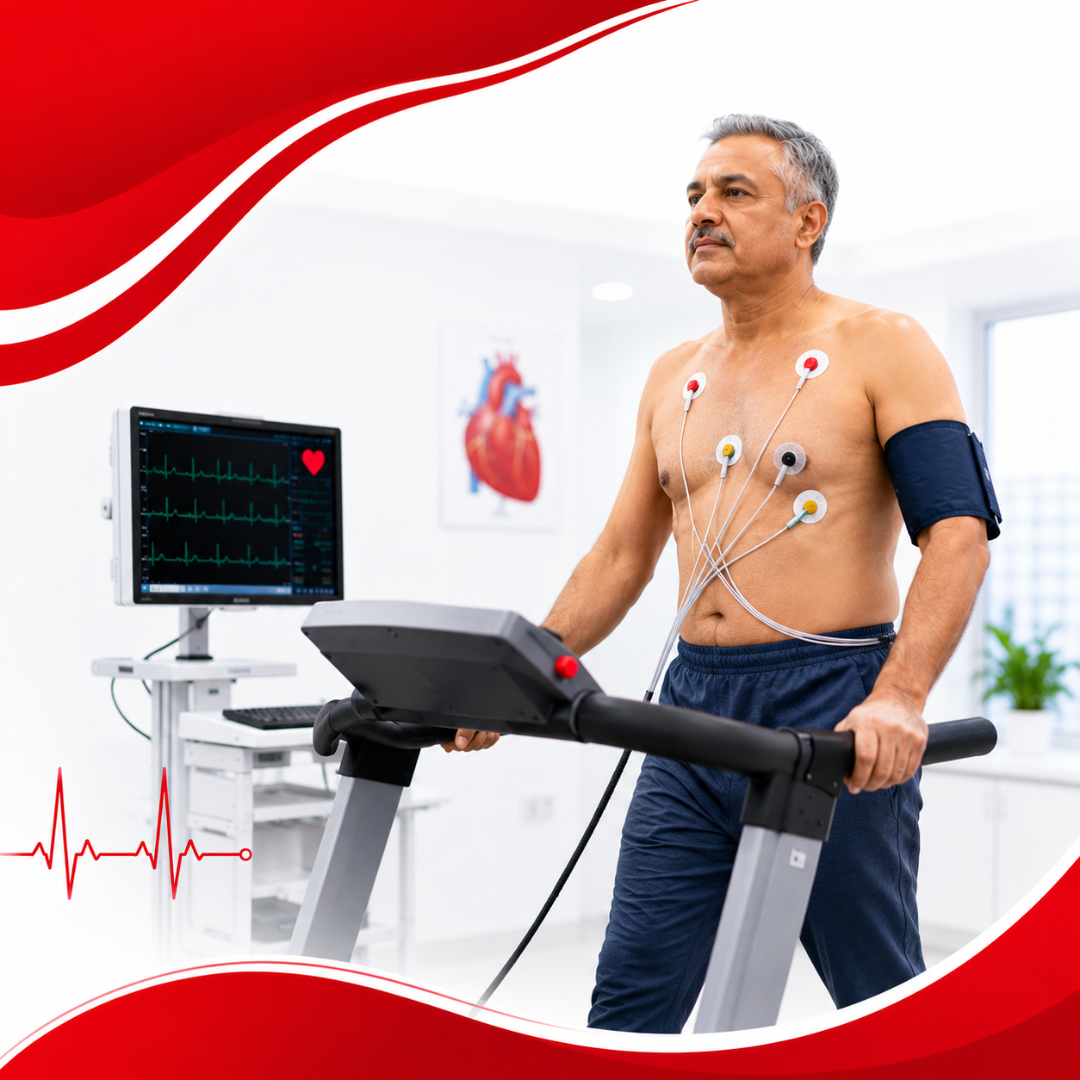
How Does a TMT Help Diagnose Heart Problems?
A Stress Test helps evaluate:
- Blood flow to the heart muscles
- Exercise tolerance
- Possible coronary artery disease
- Abnormal heart rhythms during activity
- Heart response to physical stress
If the results indicate a possible blockage or serious heart condition, the cardiologist may recommend further evaluation such as coronary angiography.
Holter Monitoring Test in Thane & Kalyan
Holter Monitoring is a portable ECG monitoring test that continuously records heart activity for 24–48 hours or longer as advised by the cardiologist.
Unlike a regular ECG that records heart activity for a few minutes, a Holter Monitor tracks your heartbeat throughout daily activities and helps detect irregular heart rhythms that may not appear during a routine ECG.
- Irregular heartbeats (arrhythmias)
- Fast or slow heart rates
- Palpitations
- Dizziness or fainting episodes
- Skipped heartbeats
- Effectiveness of heart medications
Holter Monitoring helps identify:
The device allows doctors to understand how your heart rhythm changes during different activities, including sleep, exercise, and daily routines.
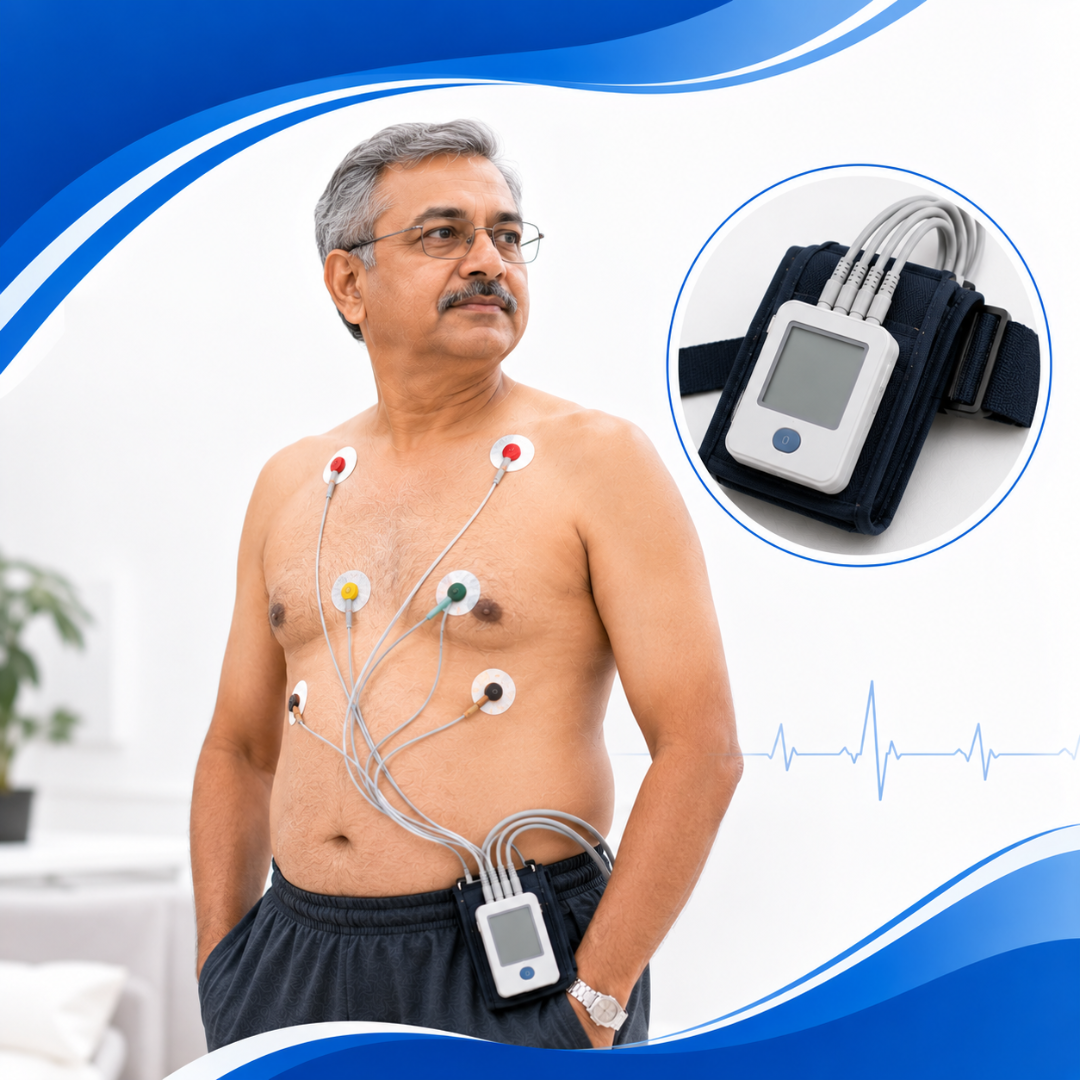
How is Holter Monitoring Performed?
A Stress Test helps evaluate:
- Small electrodes are attached to the chest using adhesive patches. These electrodes are connected to a compact recording device that can be carried in a pocket or worn around the waist.
- Patients can continue their normal activities while wearing the device but should avoid bathing or swimming during the monitoring period.
- After the recording period, the cardiologist analyses the report and recommends further treatment or medication adjustments if required.
Ambulatory Blood Pressure Monitoring (24-Hour BP Monitoring)
Ambulatory Blood Pressure Monitoring (ABPM) is an advanced test that records blood pressure continuously for 24 hours, including during sleep.
Unlike a single BP reading taken at a clinic or home, ABPM provides a complete picture of blood pressure changes throughout the day.
- Resistant hypertension
- Borderline blood pressure cases
- Low blood pressure evaluation
- Hypertension during pregnancy
- Monitoring long-term BP treatment
It is especially useful for:
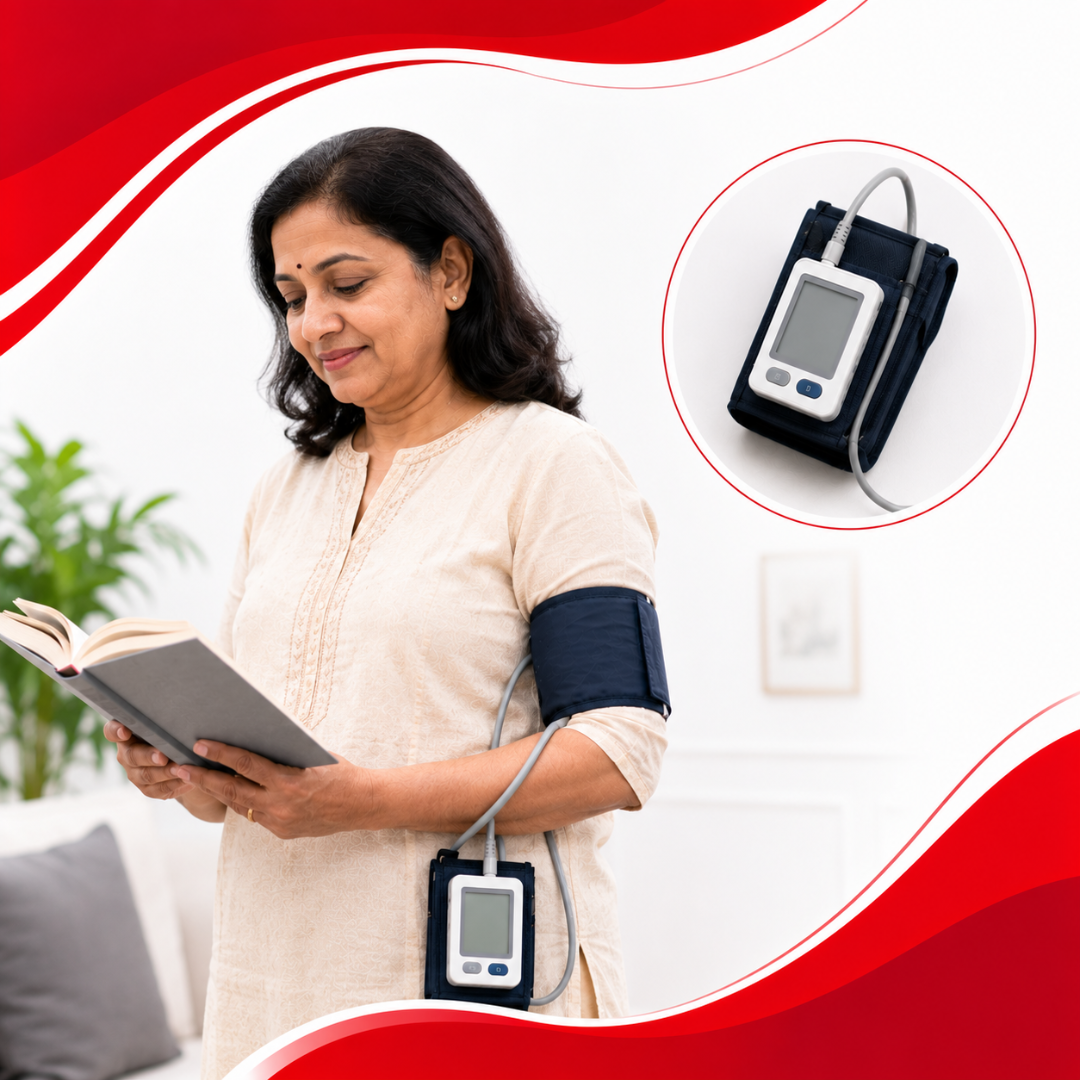
How Does ABPM Help in Hypertension Management?
This test helps detect:
- White coat hypertension (high BP only in clinical settings)
- Masked hypertension (normal BP readings but high BP during daily activities)
- Fluctuating blood pressure patterns
- Effectiveness of blood pressure medicines
ABPM helps cardiologists understand how blood pressure changes during activities, stress, rest, and sleep. Based on the results, medication dosage and timing can be adjusted for better control.
Pediatric 2D Echo in Thane & Kalyan
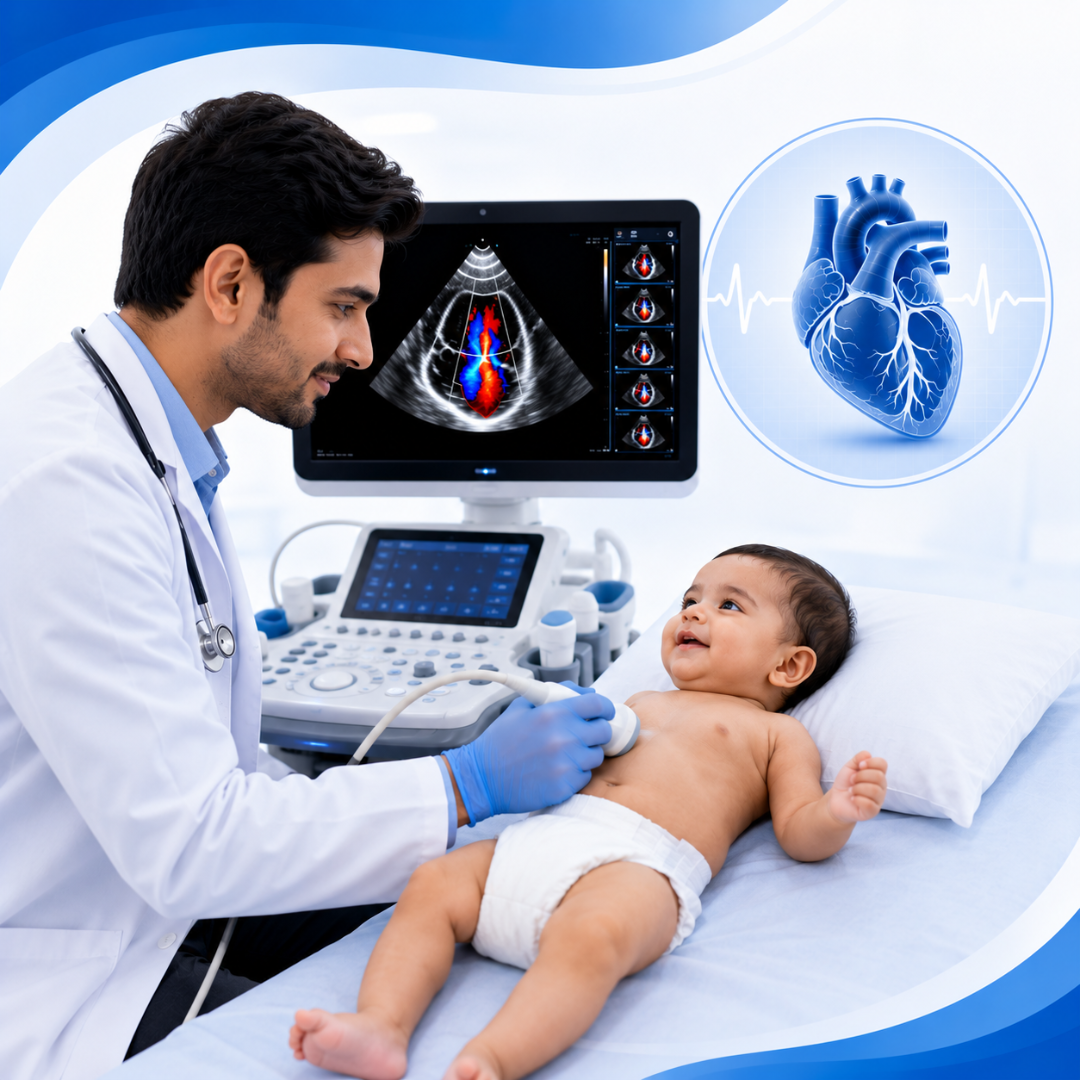
Pediatric 2D Echocardiography is a safe and painless ultrasound test used to examine the heart of infants and children.
It uses sound waves to create detailed images of the child’s heart without radiation exposure.
- Heart defects present from birth
- Holes between heart chambers
- Valve abnormalities
- Narrowing of blood vessels
- Fluid around the heart
- Heart muscle problems
Why is Pediatric 2D Echo Recommended?
A pediatric 2D Echo helps detect:
It helps doctors assess the size, structure, and functioning of the child’s heart.
How is Pediatric 2D Echo Performed?
A Stress Test helps evaluate:
- The child is comfortably positioned while a gel is applied to the chest. A small ultrasound probe captures images of the heart.
- Children below 4 years may sometimes require mild sedation to help them remain still during the procedure. Older children usually do not require sedation.