A healthy heart begins with healthy eating. According to Dr. Vidya Patil, following the best diet for heart health is one of the most effective ways to reduce the risk of cardiovascular diseases, manage cholesterol levels, control blood pressure, and improve overall well-being. Along with regular exercise and routine health check-ups, a balanced cardiac diet plan plays a vital role in keeping your heart strong and healthy throughout life.
Why Is Diet Important for Heart Health?
The food you eat directly affects your heart and blood vessels. Diets high in saturated fats, trans fats, sodium, and added sugars can increase the risk of high blood pressure, obesity, diabetes, and high cholesterol—all major contributors to heart disease. On the other hand, choosing nutrient-rich foods for heart health helps maintain healthy blood circulation, lowers bad cholesterol, and supports optimal heart function.
"A heart-healthy diet is not about strict restrictions but about making smart food choices consistently."
What Should a Heart-Healthy Diet Include?
The best diet for heart health includes a variety of whole, natural foods that provide essential nutrients while limiting processed and unhealthy foods.
Eat More Fruits and Vegetables
Fresh fruits and vegetables are rich in vitamins, minerals, antioxidants, and fiber that protect the heart and reduce inflammation. Aim for at least five servings daily and include different colors to maximize nutritional benefits.
Choose Whole Grains
Replace refined grains with whole grains like oats, brown rice, whole wheat, quinoa, and millets. Whole grains contain dietary fiber that helps lower cholesterol levels and keeps blood sugar under control.
Include Lean Proteins
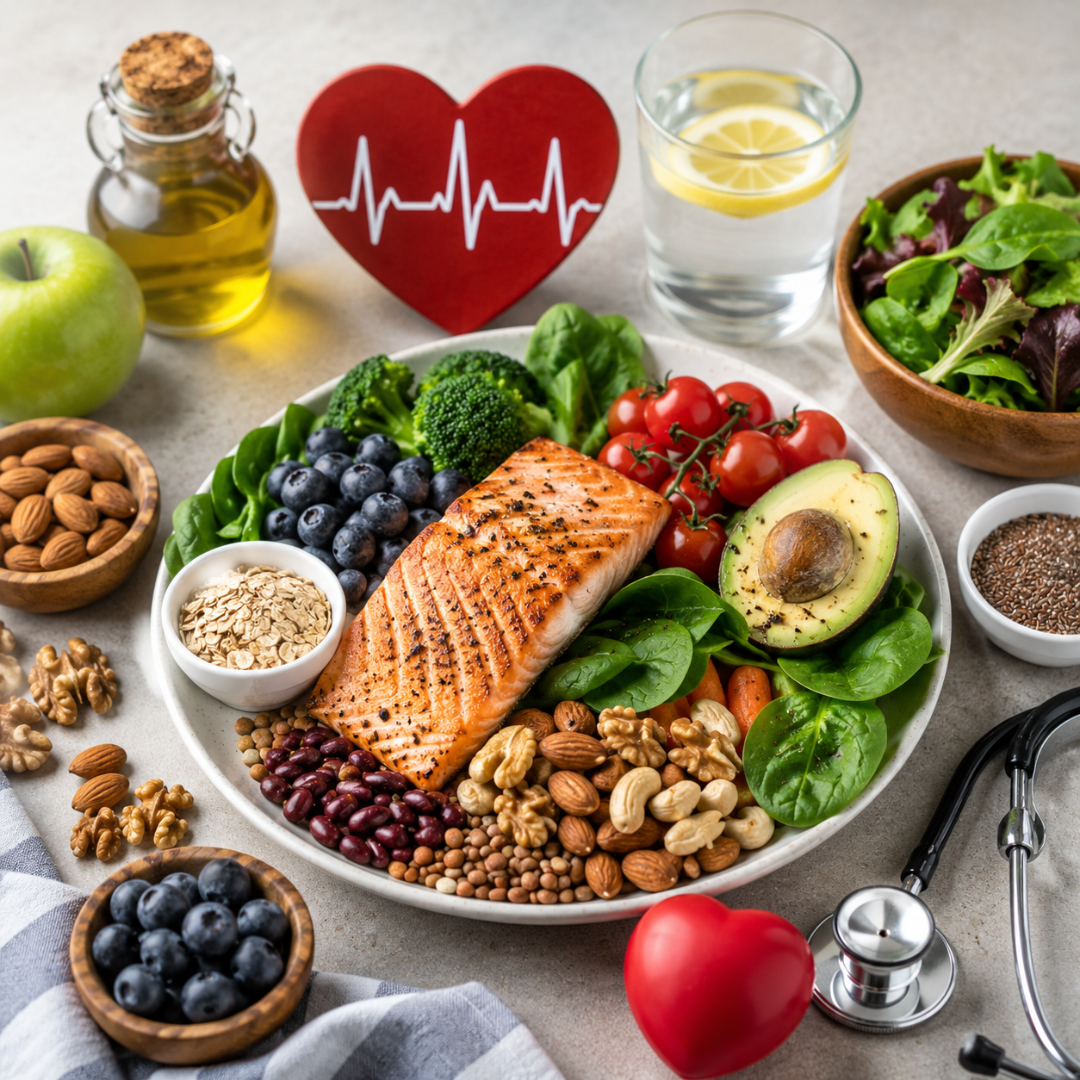
A healthy cardiac diet plan should include lean protein sources such as fish, skinless chicken, lentils, beans, soy products, and low-fat dairy. Fatty fish like salmon and sardines provide Omega-3 fatty acids, which support heart health by reducing inflammation and improving cholesterol levels.
Select Healthy Fats
Healthy fats are an important part of heart-friendly foods. Olive oil, avocados, nuts, seeds, and fatty fish contain unsaturated fats that help improve heart health. At the same time, limit butter, processed meats, fried foods, and foods containing trans fats.
Follow a Cholesterol Lowering Diet
High cholesterol increases the risk of blocked arteries and heart attacks. A cholesterol lowering diet focuses on increasing fiber-rich foods such as oats, legumes, fruits, vegetables, and whole grains while reducing foods high in saturated fats. Soluble fiber helps remove excess cholesterol from the body, making it an important part of heart disease prevention.
Reduce Salt Intake
Too much sodium can raise blood pressure and put additional strain on the heart. Following a low sodium diet means limiting processed foods, packaged snacks, pickles, instant meals, and salty beverages. Instead, prepare fresh meals at home and use herbs, lemon, and natural spices to enhance flavor without adding excess salt.
DASH Diet and Mediterranean Diet
Two eating patterns are widely recommended by healthcare professionals for better heart health.
The DASH diet (Dietary Approaches to Stop Hypertension) emphasizes fruits, vegetables, whole grains, low-fat dairy products, lean proteins, and reduced sodium intake. It is especially beneficial for people with high blood pressure.
The Mediterranean diet for heart health focuses on olive oil, fish, nuts, legumes, fruits, vegetables, and whole grains while limiting processed foods and red meat. Numerous studies have shown that this eating pattern lowers the risk of heart disease and stroke.
Foods to Limit
To follow a diet to reduce heart disease risk, reduce the intake of:
- Fried and fast foods
- Sugary drinks
- Processed meats
- Bakery products
- Excess sweets
- Packaged snacks
- Foods high in trans fats
Replacing these foods with healthier alternatives significantly benefits cardiovascular health.
Healthy Eating Tips for Heart Patients
Healthy eating for heart patients involves simple daily habits that are easy to maintain:
- Eat balanced meals with proper portion sizes
- Include fresh fruits and vegetables every day
- Drink adequate water
- Choose grilled, baked, or steamed foods instead of fried foods
- Read nutrition labels before purchasing packaged foods
- Maintain a healthy weight through regular physical activity
- Avoid smoking and limit alcohol consumption
"Small lifestyle changes practiced consistently can produce long-term health benefits."
The best diet for heart health combines balanced nutrition, portion control, and healthy lifestyle habits. Following a personalized cardiac diet plan that includes heart-friendly foods, a cholesterol lowering diet, a low sodium diet, and evidence-based eating patterns like the DASH diet and Mediterranean diet for heart health can significantly lower the risk of cardiovascular disease. If you have diabetes, hypertension, high cholesterol, or any existing heart condition, consult your healthcare provider or dietitian for personalized nutritional guidance. A healthy diet today is an investment in a healthier heart tomorrow.
Frequently Asked Questions
1. What is the best diet for heart health?
A diet rich in fruits, vegetables, whole grains, lean proteins, healthy fats, and low in sodium and unhealthy fats is considered the best for heart health.
2. What are the best heart-friendly foods?
Heart-friendly foods include fruits, vegetables, oats, whole grains, nuts, olive oil, legumes, and fatty fish rich in Omega-3 fatty acids.
3. How does a low sodium diet help the heart?
A low sodium diet helps control blood pressure, reduces strain on the heart, and lowers the risk of cardiovascular diseases.
4. Which is better for heart health—the DASH diet or the Mediterranean diet?
Both diets are highly beneficial. The DASH diet focuses on lowering blood pressure, while the Mediterranean diet emphasizes healthy fats and overall cardiovascular protection.
5. Can healthy eating reduce the risk of heart disease?
Yes. Healthy eating, combined with regular exercise and routine medical check-ups, plays a major role in reducing the risk of heart disease and improving overall cardiovascular health.
Want a diet plan tailored to your heart health?
Get a personalised cardiac diet consultation with Dr Vidya Patil at Rhythm Heart & Diet Clinic, Kalyan or Thane.
Book an AppointmentDisclaimer: This article is for general awareness. Please consult a heart specialist, physician, or dietitian near you for personalised medical advice.